Lewis Insulation Blog Posts

Getting the Facts about Environmentally Friendly Spray Foam Insulation

If you don’t know a lot about spray foam insulation, it may seem somewhat daunting. But, it doesn’t have to be! Spray foam insulation offers many wonderful benefits and is easier to install than you might think. As the experts in spray foam insulation for the Twin Cities and surrounding areas, we’d like to tell you more about it including what makes it one of the most environmentally friendly options in insulation.
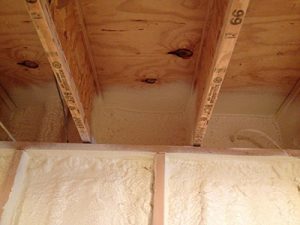
Twin Cities Spray Foam Insulation

Did you know that not only can using eco-friendly spray foam save you money in the long run, it can help save many resources and prevent future problems from arising in your home? Spray foam insulation helps prevent mold, over use of your heating or cooling systems and more.

Closed cell spray foam insulation is also the only type of insulation material that can add structural integrity to your home. The National Association of Home Builders Research Center did some testing and found that spray-applied polyurethane foam insulation increased rack and shear strength two to three times. They compared spray foam insulation between wood and steel stud wall panels with glass fiber insulation with standard stick-built component.

Looking to make your home ‘greener?’ Look no further than spray foam insulation! The countless positives to using environmentally friendly spray foam are enough reason to make the switch over to this cost-effective insulation. Here are just some of the reasons spray foam insulation is the smarter, greener choice:

  • Can prevent heating and cooling waste
  • Has high R-value
  • Reaches hard to reach places around plumbing, writing, or windows
  • Saves money and natural resources
  • Offers great energy savings
  • Provides a moisture barrier
  • Offers an air-tight seal
  • It’s a powerful insulator
  • Has a long-life span
  • Is cost-effective

And, these are just some of the reasons spray foam insulation is a great, environmentally friendly choice in insulation. The benefits are endless, and it is no wonder why more and more homeowners are making the switch over to environmentally friendly spray foam.

Ready to learn more about spray foam insulation and how it can work for you and your home or business? Call us at Lewis Insulation and we can tell you even more about closed cell spray foam insulation for your Twin Cities property, give you a free estimate and then schedule a time to come to your home or business to do the work.

Signs Your Home May Be Under Insulated

Has your home seemed a little drafty this winter? Does your heater seem to be working overtime but there’s still a chill in the air? Noticed exceptionally high heating bills? Chances are your home may not have enough insulation. Many homes all over the United States are under insulated for one simple reason; home builders install the minimum amount of residential insulation required by code. And, that is rarely enough to keep a home warm! As experts in residential insulation for St Paul and the surrounding areas we have put together a list of indications that your home may be under insulated.

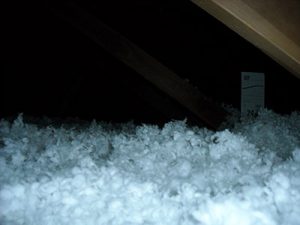
Blown-in Cellulose Insulation

High Energy Bill

Look over your home’s energy bills from the last few years. Do you notice huge increases? You may not notice extreme temperature shifts in your home or if your heating or cooling units are working overtime, but you will notice your extreme energy bill.

Ice Dams

Aside from high heating bills, another warning sign in winter is ice dams. Ice dams occur when heat rises from a poorly-insulated home and melts the bottom layer of snow off on the roof. The melted water then trickles down towards the gutters and freezes once it hits the cooler air. The result is large chunks of ice and ice dams.

Temperature Fluctuation Throughout the Home

A sign of a properly insulated home is even temperatures throughout. If different rooms have different temperatures that’s a clear sign your house is under-insulated. It’s important that all areas of your home are properly insulated. Heat and cool air can escape almost anywhere if there isn’t proper insulation to stop it.

Cold Walls & Frozen Pipes

The interior ceilings, walls and floors in your home should feel warm and dry. When drywall and paneling inside a home feels damp or cold, that is one indication that there is not enough insulation.

Frozen pipes in your walls are another indicator that you have an insulation problem. Proper residential insulation should protect your home from damage caused by freezing outdoor temperatures.

Drafts

During the winter months, drafts in certain areas of a home are caused by cool air entering around window frames and doorways. Adding residential insulation in these key areas will not only make your home feel less drafty, it will also save you on energy bills.

And, these are just some of the signs your home may suffer from under-insulation. For more information about residential insulation for your St Paul area home, call us at Lewis Insulation at 763-477-2612, or you can contact us to get a Free Estimate.

How Closed Cell Spray Foam Can Keep You Warm this Winter

Looking into new insulation for your home because you’re tired of high heating costs each winter? Closed cell spray foam is the answer. And with the weather getting colder with each passing week, the insulation experts here at Lewis Insulation would like to take some time to discuss the many benefits of closed cell spray foam insulation for your Minnetonka area home.spray foam insulation

For one, closed cell spray foam insulation can reach every nook and cranny of the home. Heat transfer and air flow both contribute to the comfort and energy efficiency of a home. With closed cell spray foam insulation you create a barrier to keep warm air from escaping and cold air from getting in. Spray foam insulation completely fill the cavities, including any gaps and crevices in your roof and walls stopping any air leakage and movement. While other types of insulation are great at this, closed cell spray foam insulation is simply the best as it provides both heat resistance and an air seal. It’s really able to get into the smallest crevices within a home’s attic, walls etc.

Since spray foam insulation expands and fills in cracks, it creates a seamless air barrier, improving the air quality in your home and reducing energy costs.

Closed cell spray foam also strengthens the structure of your home and protects the internal air from mold, allergens, and airborne pollutants.

R-value is the capacity of an insulating material to resist heat flow. The higher the R-value, the greater the insulating power. Closed cell spray foam insulation has a very high R-value of around 7. Compare that to fiberglass which offers an R-value of about 3.7.

Closed cell spray foam is sprayed at a high heat temperature, using specialized equipment & expands & hardens within minutes. Closed cell spray foam will not shrink or settle over time, so you can enjoy the energy saving costs for the life of your home. Closed cell spray foam can be applied in non-vented attics, walls, ceilings, attics, floors, foundations, crawl spaces, around piping, etc.

And, these are just some of the ways closed cell spray foam works to keep you and your household warm all winter. Closed cell spray foam insulation really is a smart choice year round because it’s great at creating an air seal in your home as well as a barrier that will hold in those comfortable temperatures.

Ready to learn more about closed cell spray foam insulation for your Minnetonka area home? Call Lewis Insulation at 763-477-2612, or you can contact us and request a Free Estimate.

Keep Warm this Winter with Attic Insulation

Cooler weather has arrived and winter is just around the corner. Help protect your home against the chill of winter and high heat bills with proper attic insulation. As experts in attic insulation for St Paul and the surrounding areas, the professionals here at Lewis Insulation are here to tell you more.

Blown in Cellulose Insulation

Why attic insulation?

By adding proper attic insulation, you are provided with some pretty great benefits like saving energy for your home and maintaining a comfortable temperature for your home much more efficiently.

Whether it is summer or winter, adding attic insulation makes your house a lot more livable, while saving you some money. And, attic insulation is one of the very best home improvement projects for a great return on investment. There are also some pretty great tax credits when it comes to attic insulation.

How do you know when you need attic insulation?

If your home experiences any of the following symptoms, you may want to consider adding adequate levels of insulation to your home’s attic along with its interior walls, floors, and crawl spaces. Give us a call straight away if your home have any of these issues:

  • High heating or cooling costs.
  • Uneven temperatures between rooms.
  • Draftiness.
  • Hot or cold ceilings or walls.
  • Ice dams in the winter.

And, these are just a few of the signs your home could use attic insulation. Not sure about the state of your home’s attic insulation? Give us a call and we can send someone out to inspect the situation.

What kind of insulation should you choose?

If your home is not properly insulated, you are likely paying much more than you should be for home energy. There are a few different options in attic insulation, all with different R-values. Understanding an insulation material’s R-value – a measure of how well it resists the flow of heat is important; the higher the number, the better the insulating power.

Spray foam – Closed cell spray polyurethane foam (SPF) is a premium insulation perfectly suited for the attic. With a high R-value, it acts as a barrier to keep the indoors from the outside climate, creating thermal, air and moisture isolation. It can expand and reach hard-to-till voids that other insulation types are not able to do.

Fiberglass and Cellulose Attic Insulation – These types of blown-in insulation have almost the same R-value, and they are both environmentally friendly. Cellulose is made out of recycled newspaper and fiberglass is made out of sand, both of which are renewable resources.

These types of insulation are great for filling in gaps and ensuring your entire attic is evenly insulated. The installation process is generally pretty quick, depending on the size of your attic.

Give us a call and we can advise you on which type of attic insulation will best suit your needs and keep your home warm in the winter and cool in the summer.
Are you interested in learning more about attic insulation for your St Paul home? Call Lewis Insulation at 763-477-2612 or contact us for a Free Estimate.

Fiberglass Insulation: What It is and How It Works

Is fiberglass insulation really made of fiberglass? How does it work? These are just a few of the most common questions we hear when it comes to fiberglass insulation. Here at Lewis Insulation, we specialize in fiberglass insulation, cellulose as well as closed-cell spray foam insulation. And, we have been serving the entire Twin Cities Metro area and improving insulation for homeowners for over 35+ years. So, as expert installers of fiberglass insulation for Minneapolis and the surrounding areas, we would like to tell you more about it. And, if you find you still have some more questions about fiberglass insulation or about any of the other insulation types we offer, please do not hesitate to give us a call.

fiberglass insulation
  • What is fiberglass insulation? Fiberglass insulation consists of extremely fine glass fibers, sand and is the type of insulation found in most homes. It is commonly used in two different types of insulation – blanket which is batts and rolls, and loose fill. Fiberglass can be placed in unfinished walls, floors and ceilings. It is fitted between studs, joists, and beams.
  • Fiberglass as an insulator slows the spread of heat, cold, and sound in structures. The material does this by trapping pockets of air, keeping rooms warm in the winter and cooler in the summer.
  • An often overlooked feature of fiberglass insulation is that it is eco-friendly, which is particularly important if you are worried about your carbon footprint. It is made out of sand and recycled glass, both of which are renewable resources.
  • Fiberglass insulation is also non-combustible, non-absorbent and non-corrosive. It will not hold water, so you never have to worry about moisture issues as a result of this type of insulation.
  • Fiberglass insulation is cost-effective but also gives you year-round comfort. You and your family will be warm and toasty in the winter and cool and comfortable in the summer thanks to fiberglass.
  • The type of fiberglass insulation we install is mold and mildew resistant. So you will not have to worry that your new fiberglass insulation is retaining moisture.
  • Fiberglass insulation is also budget-friendly. You still get many of the same perks as other types of insulation, but fiberglass is one of the least expensive options on the market today.

Do you want to learn more about fiberglass insulation for your Minneapolis area home? Call Lewis Insulation at 763-477-2612 or you can contact us to get your Free Estimate on our fiberglass insulation services.