Lewis Insulation Blog Posts

Residential Insulation for Older Minnesota Homes: What to Expect

Older homes have plenty of character, but they often come with hidden energy efficiency challenges. One of the most common issues homeowners face is outdated or inadequate residential insulation in Minnetonka. If your home was built decades ago, there’s a good chance your insulation no longer meets modern standards, leading to higher energy bills, uncomfortable rooms and unnecessary strain on your heating and cooling system.

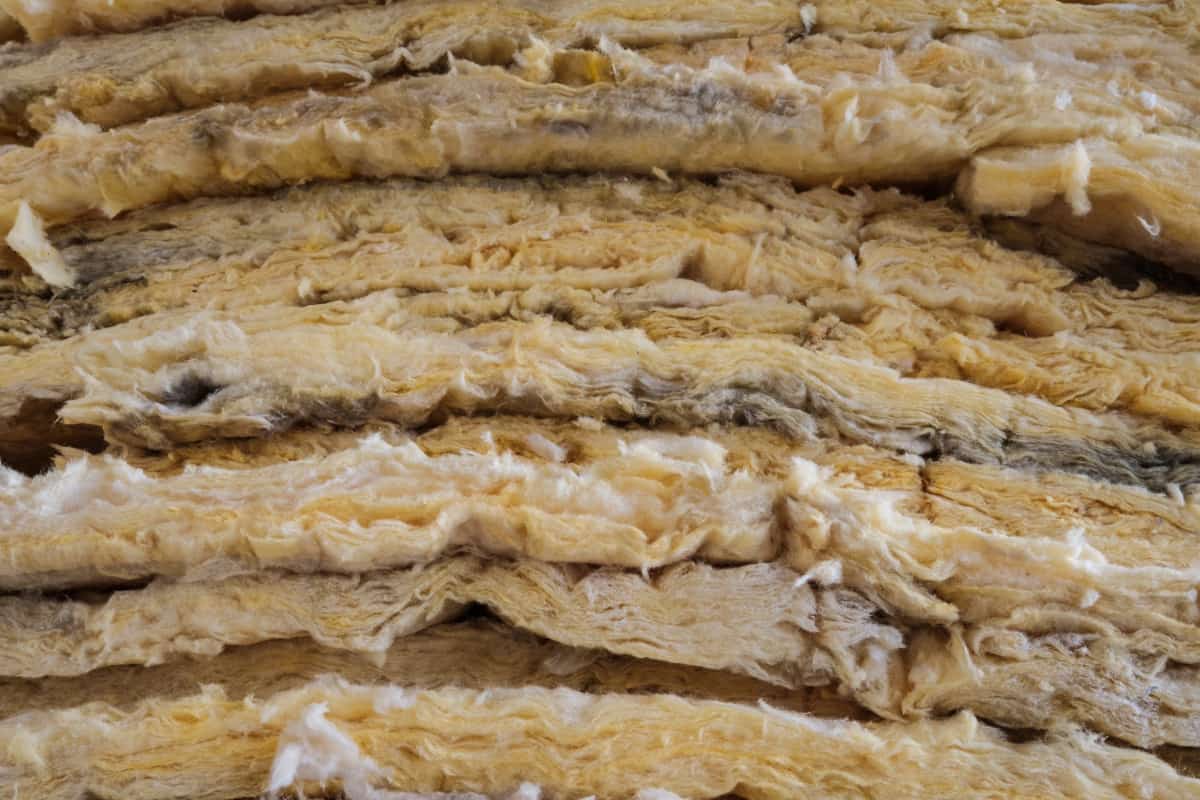
old residential insulation during cleanup

Understanding what to expect when upgrading residential insulation in an older Minnesota home can help you make informed decisions and enjoy a more comfortable living environment.

Why Older Homes Often Need Residential Insulation Upgrades

Building codes and insulation standards have changed significantly over the years. Many older homes were built with minimal insulation, especially in attics, walls and crawl spaces. In some cases, insulation may have settled, become damaged by moisture or simply lost its effectiveness over time.

Minnesota’s harsh winters and warm summers make proper residential insulation especially important. Without adequate insulation, heated or cooled air can easily escape, causing your HVAC system to work harder and increasing monthly utility costs.

Common Signs Your Home Needs More Residential Insulation

Many homeowners don’t realize their insulation is underperforming until they notice obvious symptoms. Some of the most common signs include:

  • Uneven temperatures between rooms
  • Drafts near walls, windows or ceilings
  • High heating and cooling bills
  • Ice dams forming on the roof during winter
  • Cold floors and walls
  • HVAC systems running more frequently than normal

If you’re experiencing one or more of these issues, it may be time to have your home’s insulation evaluated.

Areas Where Residential Insulation Is Most Often Upgraded

When working with older homes, insulation contractors typically focus on the areas that provide the greatest energy-saving benefits.

Attic Insulation

The attic is often the biggest source of energy loss. Heat naturally rises, and insufficient attic insulation allows warm air to escape during winter while allowing excess heat to enter during summer. Upgrading attic insulation can significantly improve comfort and energy efficiency.

Air Sealing and Attic Bypasses

Before adding insulation, it’s important to address air leaks. Gaps around plumbing, electrical penetrations, recessed lighting and attic access points can allow conditioned air to escape. Air sealing works together with residential insulation to maximize performance.

Wall Insulation

Many older homes have little or no insulation inside exterior walls. Depending on the home’s construction, insulation can sometimes be added without major renovations.

Crawl Spaces and Rim Joists

These overlooked areas can contribute to drafts, moisture issues and energy loss. Proper insulation helps create a more consistent indoor temperature throughout the home.

What Homeowners Can Expect During an Insulation Upgrade

Every home is different, but most insulation projects begin with a thorough inspection. A professional contractor may evaluate existing insulation levels, identify air leaks and recommend improvements based on your home’s age, layout and energy efficiency goals.

The process is typically less disruptive than many homeowners expect. In many cases, attic insulation upgrades and air sealing can be completed in a relatively short timeframe while delivering long-term benefits.

Improve Comfort and Energy Efficiency in Your Older Home

Investing in residential insulation is one of the most effective ways to improve comfort, lower energy costs and protect your home from Minnesota’s extreme weather conditions. Whether your home is 30 years old or over a century old, upgrading insulation can help create a healthier, more energy-efficient living space.

If you’ve noticed rising utility bills, drafty rooms or inconsistent temperatures, a residential insulation assessment may be the first step toward a more comfortable home year-round. For more information about residential insulation in Minnetonka and the surrounding Twin Cities area, call us at 763-477-2612 or contact us!
Preparing Your Home for Summer Heat with Cellulose Insulation

Preparing your home for summer heat is about more than adjusting your thermostat. As temperatures begin to rise, your home’s insulation plays a major role in keeping indoor spaces comfortable and energy efficient. At Lewis Insulation, we often recommend cellulose insulation in the Twin Cities area as a smart, reliable solution for homeowners looking to stay ahead of the summer heat.

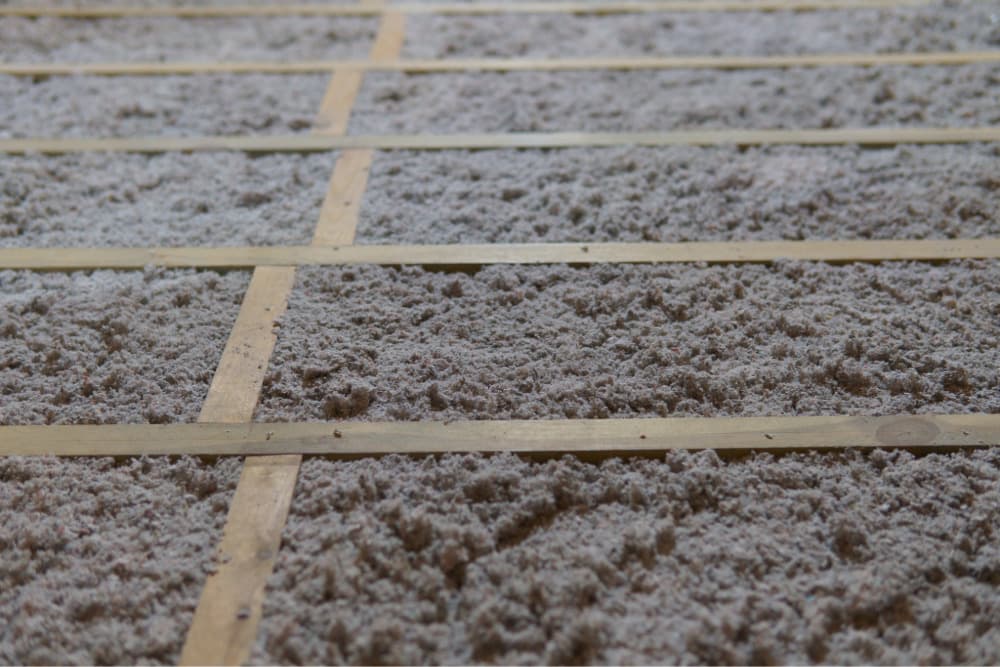
cellulose insulation in attic

Why Insulation Matters Before Summer

Many homeowners wait until the peak of summer to address comfort issues, but by then, energy bills are already climbing. Preparing in the spring allows you to improve your home’s ability to resist heat before temperatures become extreme. Proper insulation slows the transfer of heat into your home, helping your cooling system work less and maintain a consistent indoor temperature.

Without effective insulation, hot air can easily penetrate your attic and walls, forcing your air conditioning system to run longer and more frequently. This not only increases energy costs but also puts unnecessary strain on your HVAC system.

How Cellulose Insulation Helps Keep Your Home Cool

Cellulose insulation is known for its dense composition, which makes it especially effective at reducing heat transfer. Unlike some traditional insulation materials, cellulose fills gaps and voids more completely. This creates a tighter barrier against outdoor air, helping keep cool air inside where it belongs.

Another key benefit of cellulose insulation is its ability to limit air leakage. During the summer months, small cracks and openings can allow warm air to enter your home. Cellulose works well alongside air sealing efforts to minimize these problem areas, improving overall comfort and efficiency.

Improve Energy Efficiency and Lower Cooling Costs

One of the biggest advantages of upgrading to cellulose insulation is the potential for lower energy bills. When your home is properly insulated, your cooling system does not have to work as hard to maintain a comfortable temperature. This can lead to noticeable savings throughout the summer.

In addition to cost savings, improved insulation can extend the lifespan of your HVAC system. By reducing the workload, you help prevent unnecessary wear and tear, which can lead to fewer repairs over time.

Why Spring Is the Best Time to Upgrade Insulation

Spring is an ideal time to evaluate your insulation and make improvements. The weather is mild, making installation more convenient, and you can address any issues before peak heat arrives. It is also a great time to inspect your attic for signs of outdated or insufficient insulation.

Upgrading in the spring ensures your home is ready to handle rising temperatures, giving you peace of mind as summer approaches.

Trust Lewis Insulation for Professional Installation

At Lewis Insulation, we specialize in helping homeowners prepare their homes for every season. Our team understands how important proper insulation is for comfort and efficiency, especially during the hotter months. We take the time to assess your home’s needs and recommend the best cellulose insulation solutions to keep your space cool and comfortable.

If you are looking to reduce energy costs and improve your home’s performance this summer, now is the time to act. Let Lewis Insulation help you get your home ready for the heat ahead. For more information about cellulose insulation in the Twin Cities area, call us at 763-477-2612 or contact us!
Residential Insulation for New Construction vs Existing Homes: What Homeowners Should Know

When it comes to residential insulation in Rogers, the needs of a brand new home are often different from those of an existing property. While both require proper insulation to improve energy efficiency and maintain indoor comfort, the approach to installation can vary depending on the structure of the home. At Lewis Insulation, we work with homeowners and builders to ensure that every home has the right insulation solution for its specific needs.

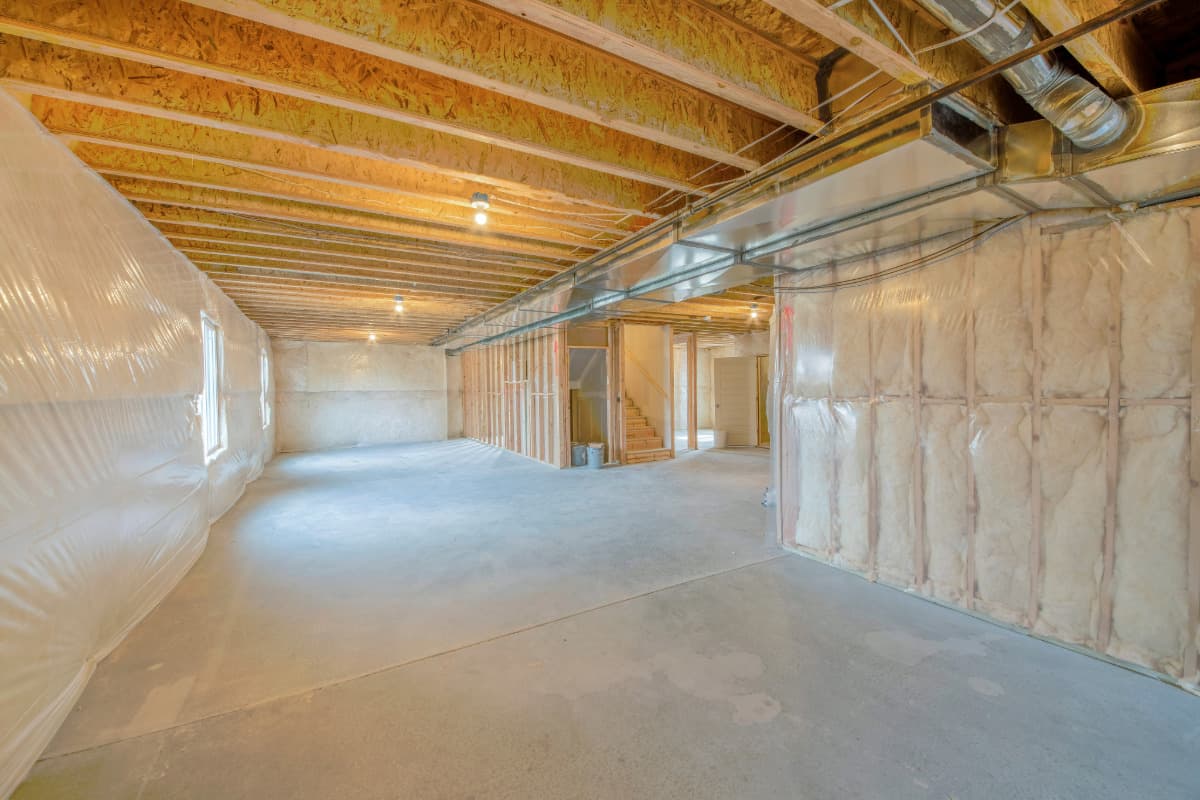
residential insulation in a new home

Residential insulation for new construction offers the advantage of starting from scratch. Because the walls, ceilings and floors are still open during the building process, insulation can be installed more easily and with greater precision. This allows installers to fully fill wall cavities, seal gaps and ensure consistent coverage throughout the entire home. With everything accessible, builders can choose from several insulation options such as fiberglass batts, blown-in insulation or spray foam to create an energy-efficient building envelope from the start.

Proper residential insulation during new construction can significantly impact long-term energy performance. When insulation is installed correctly before drywall and finishes are added, homeowners often benefit from lower utility bills, improved temperature control and fewer drafts. In addition, modern building standards and energy codes frequently require higher insulation values than older homes have, which means new construction projects often include more effective insulation systems by design.

Existing homes, on the other hand, present a different set of challenges when it comes to residential insulation. Many older homes were built with less insulation or materials that have degraded over time. In some cases, insulation may be missing entirely in certain areas of the home. Upgrading insulation in an existing property requires careful evaluation to determine where improvements will have the greatest impact.

For existing homes, common residential insulation upgrades often focus on areas such as the attic, crawl spaces and exterior walls. Blown-in insulation is frequently used to add insulation to wall cavities without the need for major demolition. Attics are also a key area where additional insulation can dramatically improve energy efficiency and comfort.

Another important difference between new construction and existing homes is air sealing. Older homes tend to have more air leaks around windows, doors and structural joints. Addressing these issues during a residential insulation upgrade can help prevent heat loss, reduce drafts and improve overall indoor comfort.

Whether a home is newly built or decades old, residential insulation plays a critical role in maintaining energy efficiency and protecting the home from temperature extremes. The key is ensuring that the insulation system is properly designed and installed for the specific structure.

At Lewis Insulation, our team understands the unique needs of both new construction projects and existing homes. We work closely with builders and homeowners to recommend the best residential insulation solutions for each situation. With the right approach, homeowners can enjoy improved comfort, lower energy costs and a more efficient home for years to come. For more information about residential insulation in Rogers or the rest of the Twin Cities area, call us at 763-477-2612 or contact us!
New Year, New Foam Insulation: Upgrade Your Home’s Comfort in 2026

A New Year brings fresh goals, new plans and a renewed desire to improve daily life. In the middle of winter, one resolution many homeowners share is simple: stay warm without spending more. If your home feels drafty, your floors are cold or your heating system is working overtime, the real problem might not be your furnace. It could be your insulation. As 2026 begins, foam insulation in Minneapolis and the surrounding areas is becoming one of the smartest and most effective upgrades for winter comfort and year-round savings.

spray foam wall insulation

Spray foam insulation is different from traditional insulation materials. Fiberglass and cellulose slow heat transfer, but they do not stop air movement. Even well-insulated homes can leak warm air through small cracks, gaps and penetrations in framing, attics and rim joists. In winter, those small leaks become steady pathways for cold air to enter and heated air to escape. Spray foam does more than insulate. It seals. When applied, it expands into gaps, hard-to-reach voids and uneven surfaces, forming a continuous barrier that blocks winter air from moving where it shouldn’t.

Comfort isn’t only about reaching the right temperature. It’s about keeping it consistent. Foam insulation solves three major winter issues at the source. First, it stops drafts. Cold air sneaks in around attic hatches, electrical boxes, plumbing stacks, recessed lighting and wall seams. Spray foam expands into those tiny spaces, preventing drafts that create noticeable chills along exterior walls or near outlets. Second, it balances room temperatures. When one bedroom feels warm and another feels unbearably cold, it’s almost always due to insulation gaps or air infiltration inside wall cavities. Foam insulation fills those voids completely, helping your home maintain even temperatures in every room. Third, it reduces HVAC strain. When warm air escapes nonstop, heating systems run longer, cycle harder and consume more energy. Sealing the building envelope allows your furnace or heat pump to run normally again, lowering energy use, reducing repair frequency and supporting a longer system lifespan.

Winter moisture issues can cause expensive damage long before they’re noticed. Condensation inside walls and attics leads to mold, wood rot and ice dams. Closed-cell spray foam helps protect your home by insulating while also limiting moisture movement. When warm, humid indoor air meets freezing surfaces inside wall assemblies, condensation forms. Spray foam prevents that air from reaching those cold surfaces in the first place, reducing the conditions that lead to moisture damage. This makes foam insulation one of the most reliable ways to defend your home against winter moisture problems.

Many homeowners ask about winter installation, especially in January when efficiency upgrades are top of mind. Spray foam can absolutely be installed during winter when applied by trained professionals. Surface temperatures, product conditions, expansion and curing are carefully monitored to ensure proper adhesion and long-term performance. Winter installation isn’t a limitation. It’s an advantage. The sooner leaks are sealed, the sooner comfort improves and savings begin.

Durability is another major benefit. Foam insulation doesn’t sag, settle, compress or shift over time. Once applied, it stays exactly where it was installed, continuing to perform through harsh seasons and temperature swings. Many homeowners feel the improvement almost immediately: warmer walls, quieter rooms, longer heat retention and fewer cold pockets even when winter temperatures reach their peak.

If 2026 is the year you want better comfort, lower energy waste and real winter protection, foam insulation delivers meaningful benefits every day. Lewis Insulation helps homeowners seal out the cold and lock in long-term efficiency. Reach out today for a quote and begin improving your home’s winter performance from the inside.

Winter won’t last forever, but better insulation keeps working long after spring arrives. For more information about foam insulation in Minneapolis or the rest of the Twin Cities area, call us at 763-477-2612 or contact us!

Gift Yourself Lower Energy Bills This Season: The Benefits of Adding Fiberglass Insulation Before Winter

The holiday season is a time for warmth, comfort and celebrating with family and friends. But if your home feels drafty or your energy bills seem to rise every winter, it might be time to give yourself a practical gift that keeps on giving—new fiberglass insulation in Minnetonka. At Lewis Insulation, we’ve helped Twin Cities area homeowners stay cozy through countless winters, and we know firsthand how much of a difference proper insulation can make in comfort, efficiency and savings.

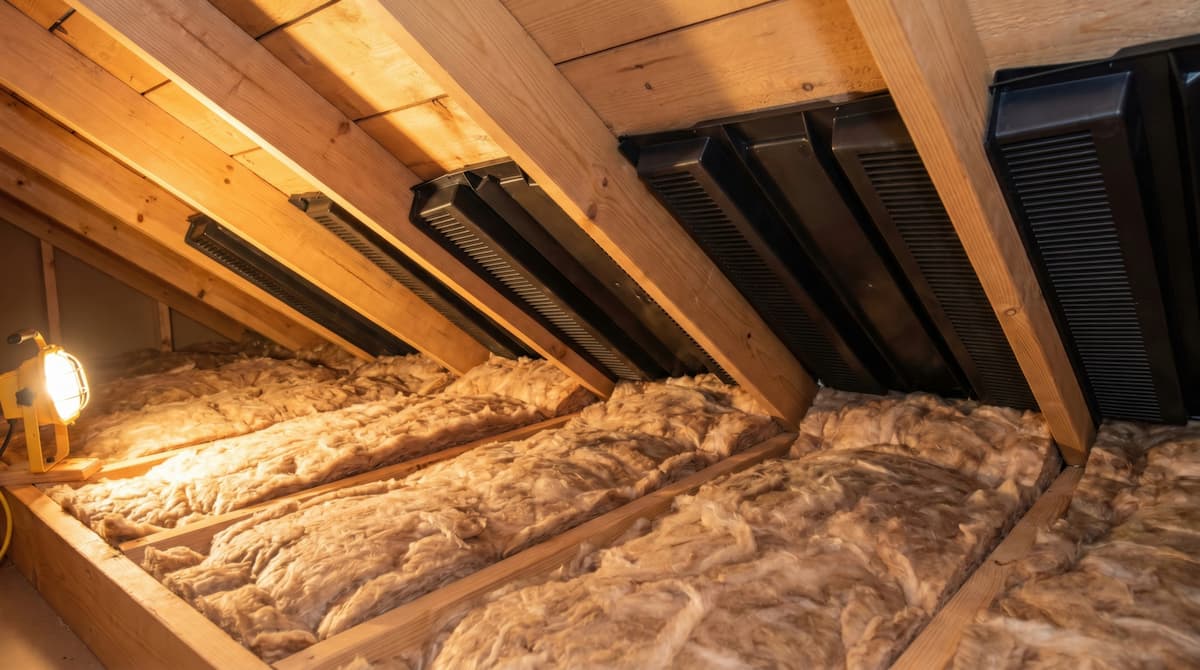
Fiberglass insulation being installed

As temperatures drop, your furnace works harder to maintain a consistent indoor temperature. Without sufficient insulation, especially in your attic and walls, much of that heat escapes through the roof and exterior surfaces. Fiberglass insulation acts as a thermal barrier, slowing down heat transfer and keeping the warmth inside where it belongs. The result is a more comfortable home and less strain on your heating system—something your wallet will appreciate when your next energy bill arrives.

Fiberglass insulation is one of the most cost-effective ways to improve energy efficiency. It’s durable, fire-resistant and offers long-lasting performance. Unlike some other insulation types, fiberglass does not settle over time, maintaining its R-value (or insulating power) for years. It’s also made from recycled glass, making it an environmentally friendly option that supports sustainable home improvements.

Installing fiberglass insulation before winter can also help address uneven temperatures throughout your home. If some rooms are warmer or colder than others, it’s often a sign of inconsistent insulation coverage. Lewis Insulation can assess your home’s current insulation levels and identify problem areas that need attention. With proper fiberglass insulation, your entire home can maintain a balanced, comfortable temperature all season long.

Beyond saving money and improving comfort, upgrading your insulation has long-term benefits. Your HVAC system will operate more efficiently, potentially extending its lifespan, and your home will be better protected from moisture issues that can develop due to temperature imbalances. It’s a home improvement that pays off immediately and continues to deliver returns year after year.

So this holiday season, instead of wrapping another gadget or appliance, consider a gift that makes your home warmer, more efficient and more enjoyable. Fiberglass insulation may not fit under the tree, but it’s a present you’ll appreciate every time you walk into a toasty, energy-efficient home.

If you’re ready to seal in the warmth and start saving, contact Lewis Insulation today. Our experts will help you find the best fiberglass insulation solution for your home—just in time for a cozy and cost-saving winter. For more information about fiberglass insulation in Minnetonka or the rest of the Twin Cities area, call us at 763-477-2612 or contact us!