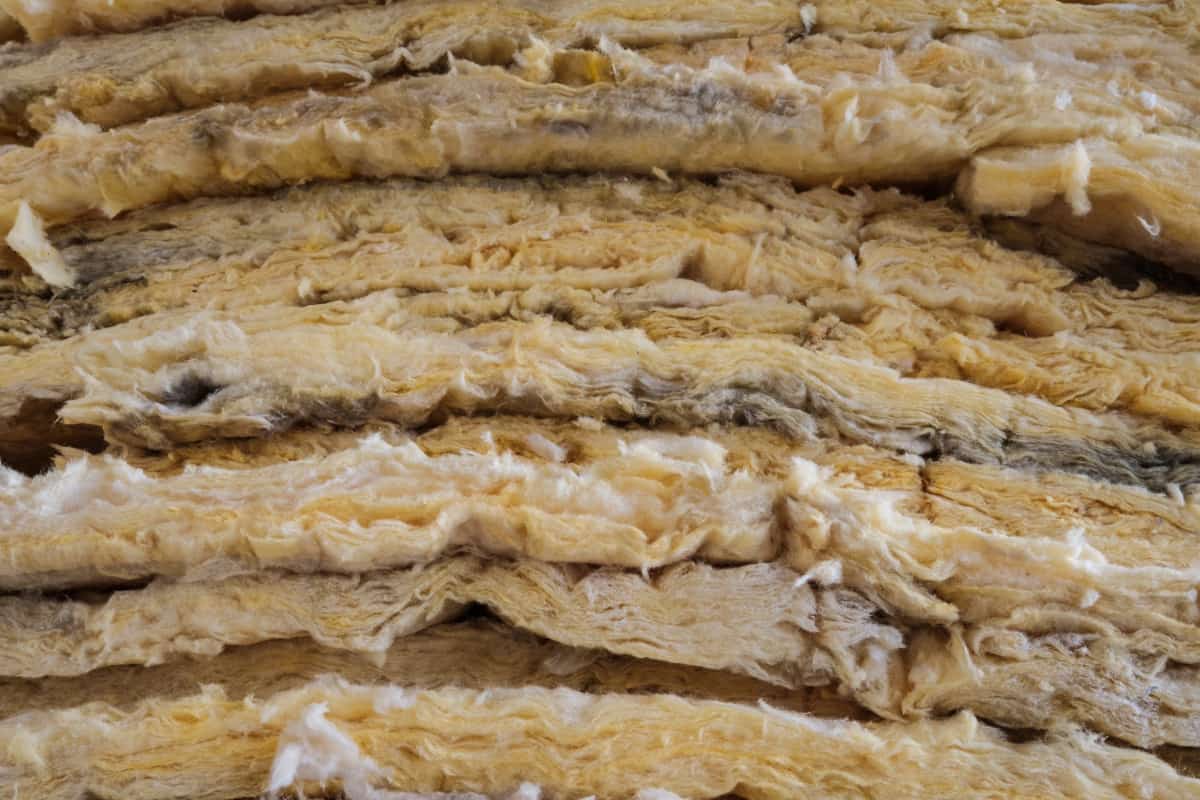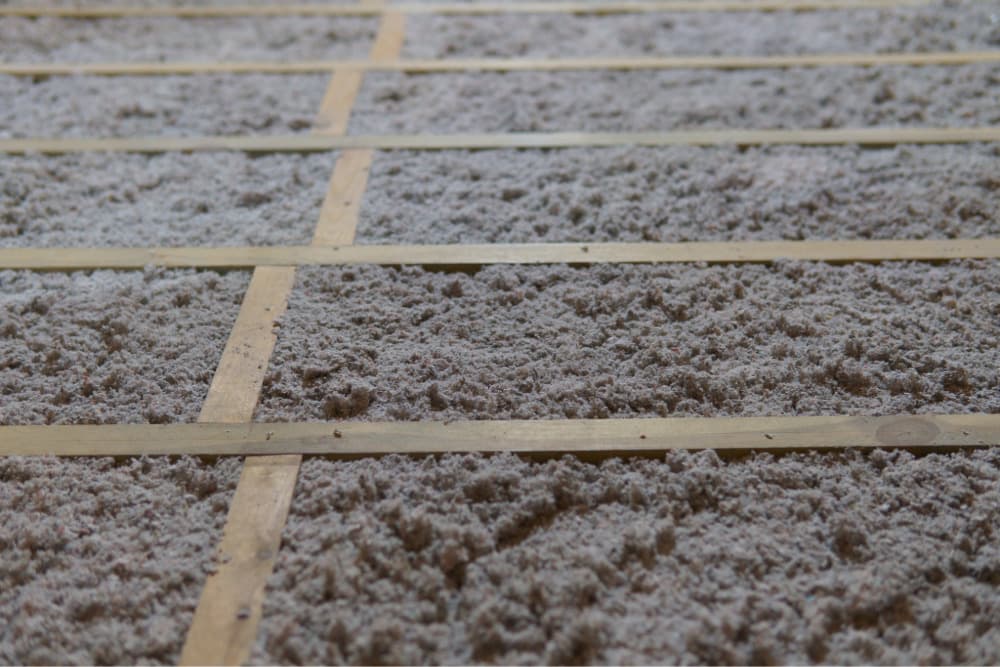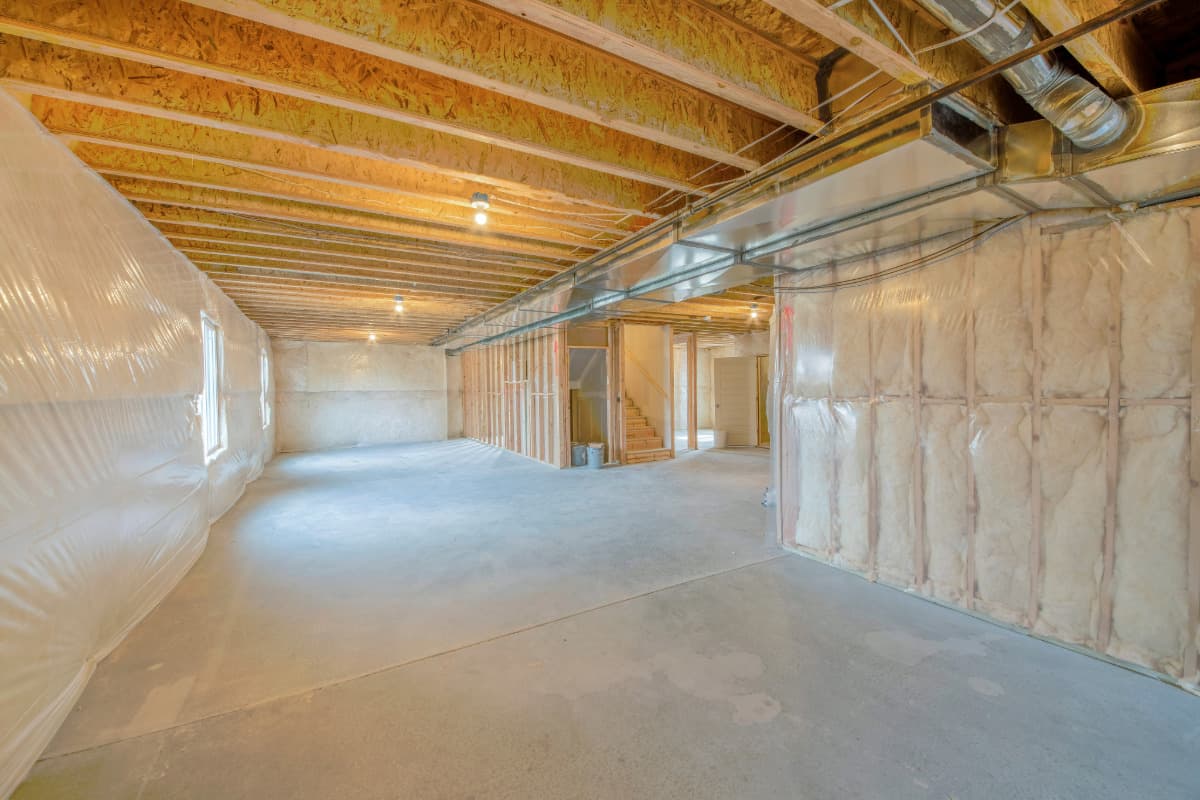


Many homeowners focus on upgrading insulation or replacing old windows when they want to lower their utility costs. While those improvements certainly help, one often overlooked factor can have a major impact on monthly energy bills: attic ventilation.
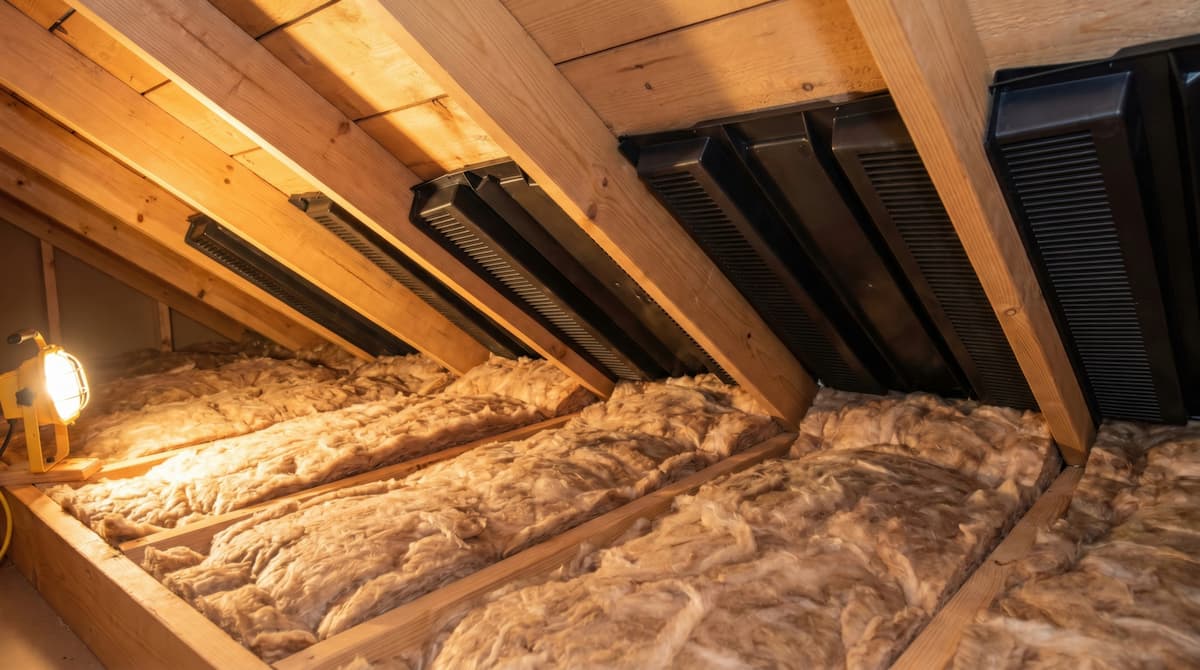
Proper attic ventilation in the Twin Cities area works hand in hand with insulation to regulate your home’s temperature throughout the year. When your attic has balanced airflow, your heating and cooling system doesn’t have to work as hard to maintain a comfortable indoor environment. Understanding this relationship can help you save money while protecting your home from unnecessary wear and tear.
How Proper Attic Ventilation Improves Energy Efficiency
Your attic naturally traps heat and moisture. Without enough ventilation, hot air can become trapped during the summer while moisture builds up during the winter. These conditions create additional strain on your HVAC system.
A properly ventilated attic allows fresh air to enter through intake vents while warm, moist air escapes through exhaust vents. This continuous airflow helps maintain a more consistent attic temperature, reducing the amount of heat that transfers into your living spaces.
As a result, your air conditioner doesn’t have to run as frequently during the summer and your heating system can operate more efficiently during colder months.
Why Poor Attic Ventilation Increases Energy Bills
When attic ventilation isn’t working properly, your home pays the price in several ways.
During the summer, attic temperatures can soar well above the outdoor temperature. Excessive heat radiates through the ceiling into your home, forcing your air conditioner to work longer to keep indoor spaces comfortable.
In the winter, trapped moisture can reduce the effectiveness of your insulation. Wet insulation loses much of its insulating value, allowing heated air to escape more easily. Your furnace then has to run more often to replace the lost warmth.
Over time, these issues can lead to noticeably higher monthly energy costs.
The Connection Between Attic Ventilation and Insulation
Attic ventilation and insulation are designed to work together, not compete with one another.
Insulation slows the transfer of heat between your attic and living space while ventilation removes excess heat and moisture from the attic itself. Even the highest quality insulation cannot perform at its best if moisture accumulates or attic temperatures become extreme.
Likewise, ventilation alone cannot compensate for insufficient insulation. A balanced attic system includes both components working together to improve comfort and energy efficiency.
Signs Your Attic Ventilation May Be Costing You Money
Many homeowners don’t realize they have a ventilation problem until utility bills begin climbing or other warning signs appear.
Some common indicators include:
- High heating or cooling bills
- Uneven temperatures between rooms
- A hot second floor during the summer
- Excessive moisture or condensation in the attic
- Mold or mildew growth
- Ice dams during the winter
- Premature roof shingle deterioration
If you notice any of these issues, it’s worth having your attic evaluated by an insulation professional.
Long Term Savings Through Better Attic Ventilation
Improving attic ventilation is an investment that provides benefits well beyond lower utility bills. Proper airflow helps extend the life of your roof, protects insulation from moisture damage and creates a healthier indoor environment.
Many homeowners notice improved comfort throughout the home because temperatures remain more consistent from room to room. Their HVAC systems also experience less strain, which can contribute to fewer repairs and a longer equipment lifespan.
Combined with quality insulation, proper attic ventilation helps create an energy efficient home that performs well during every season.
Trust Lewis Insulation for Attic Ventilation Solutions
If your energy bills seem higher than they should be, your attic ventilation could be part of the problem. The experienced team at Lewis Insulation can evaluate your attic’s airflow, identify ventilation issues and recommend solutions that improve comfort and energy efficiency.
Whether your home needs additional ventilation, upgraded insulation or both, investing in a properly balanced attic system can help reduce energy costs while protecting your home for years to come. For more information about attic ventilation in the Twin Cities area, call us at 763-477-2612 or contact us!